
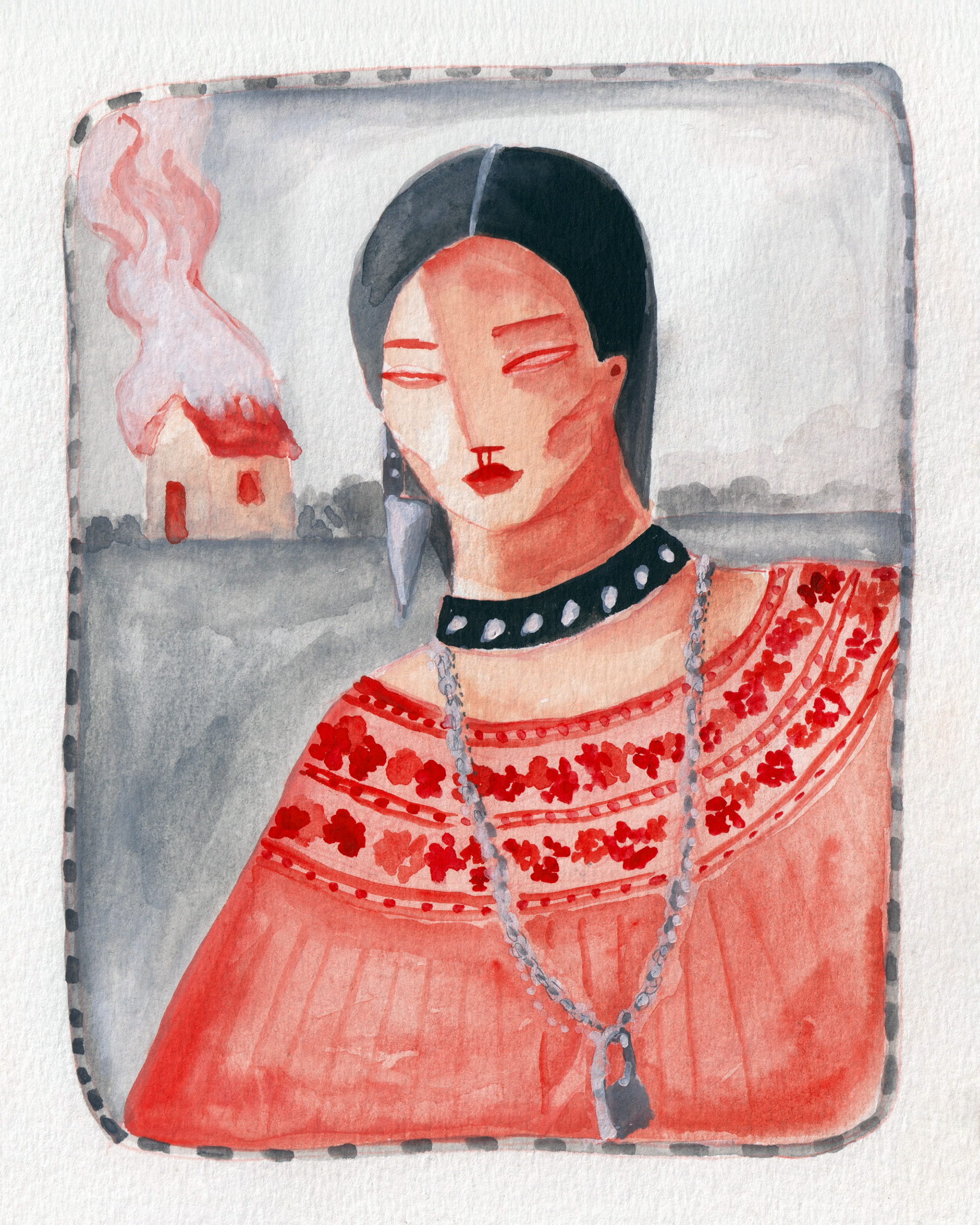
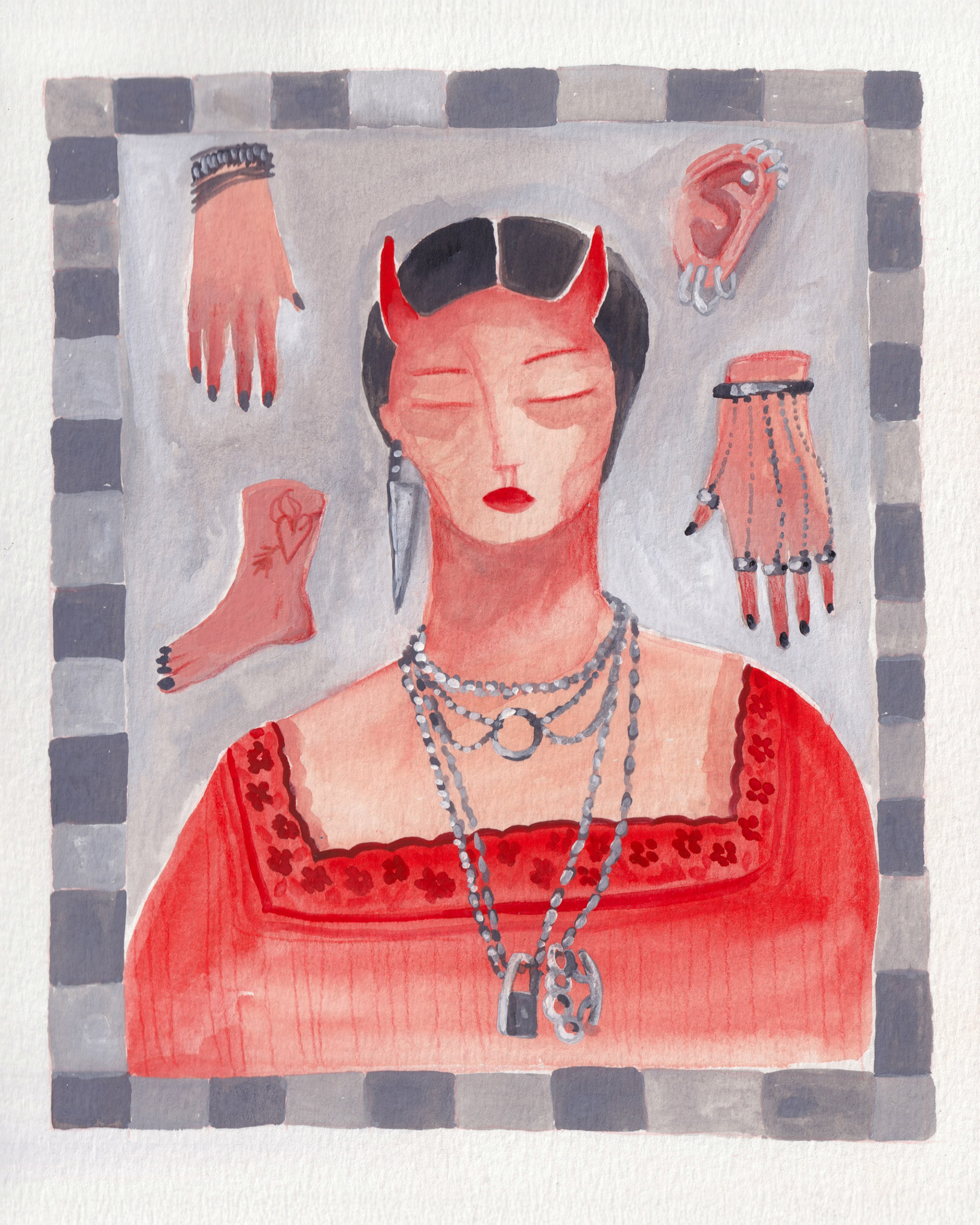
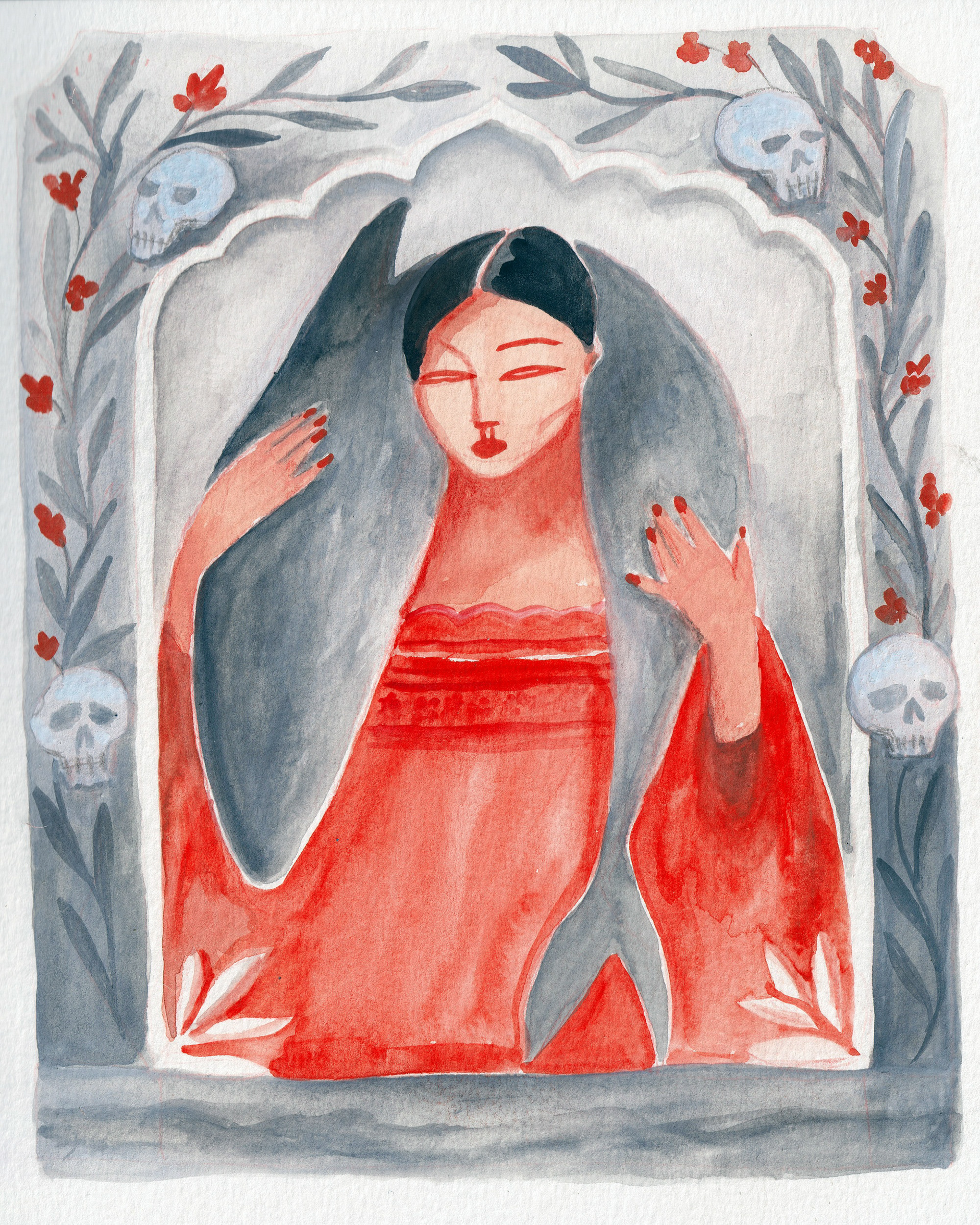
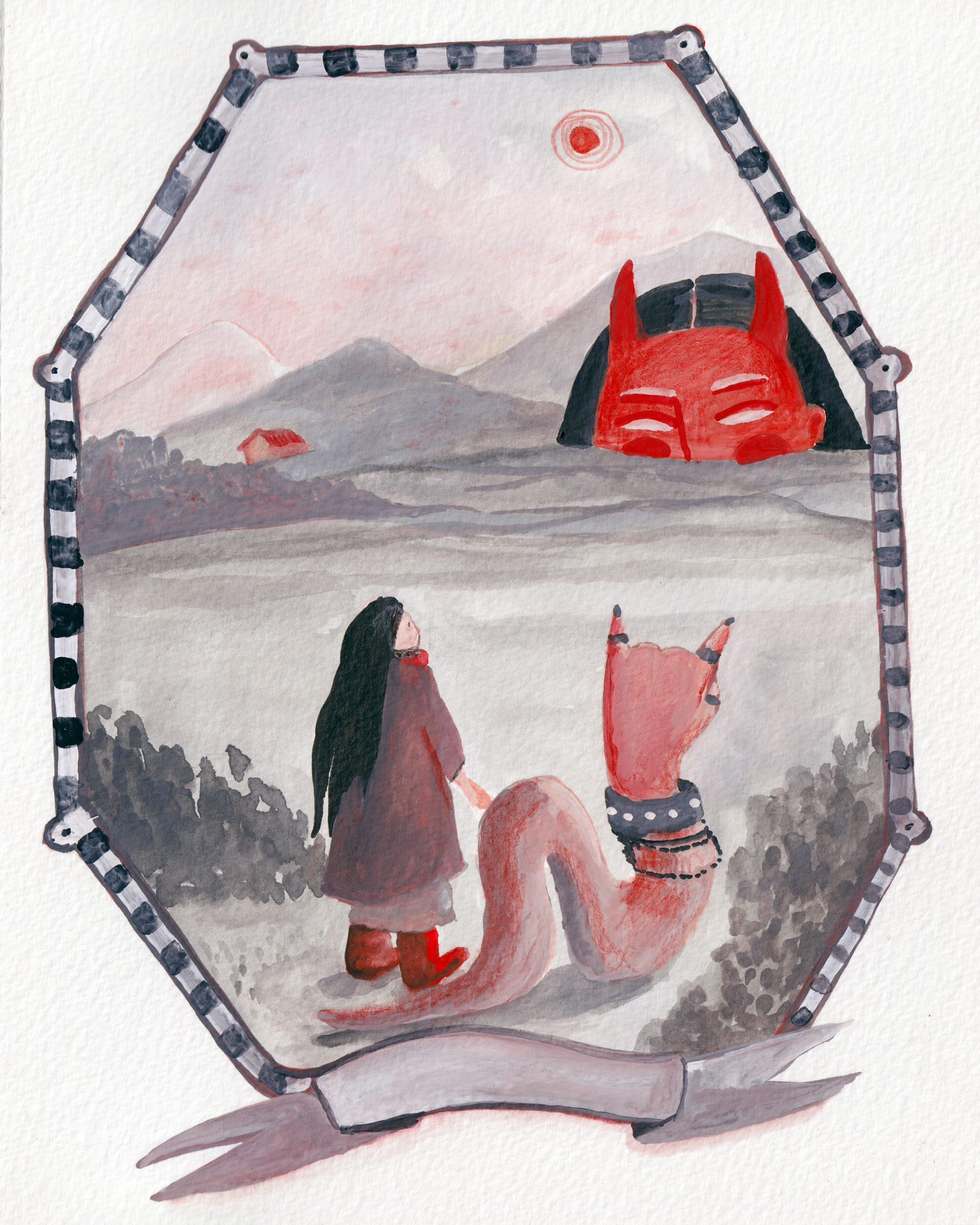
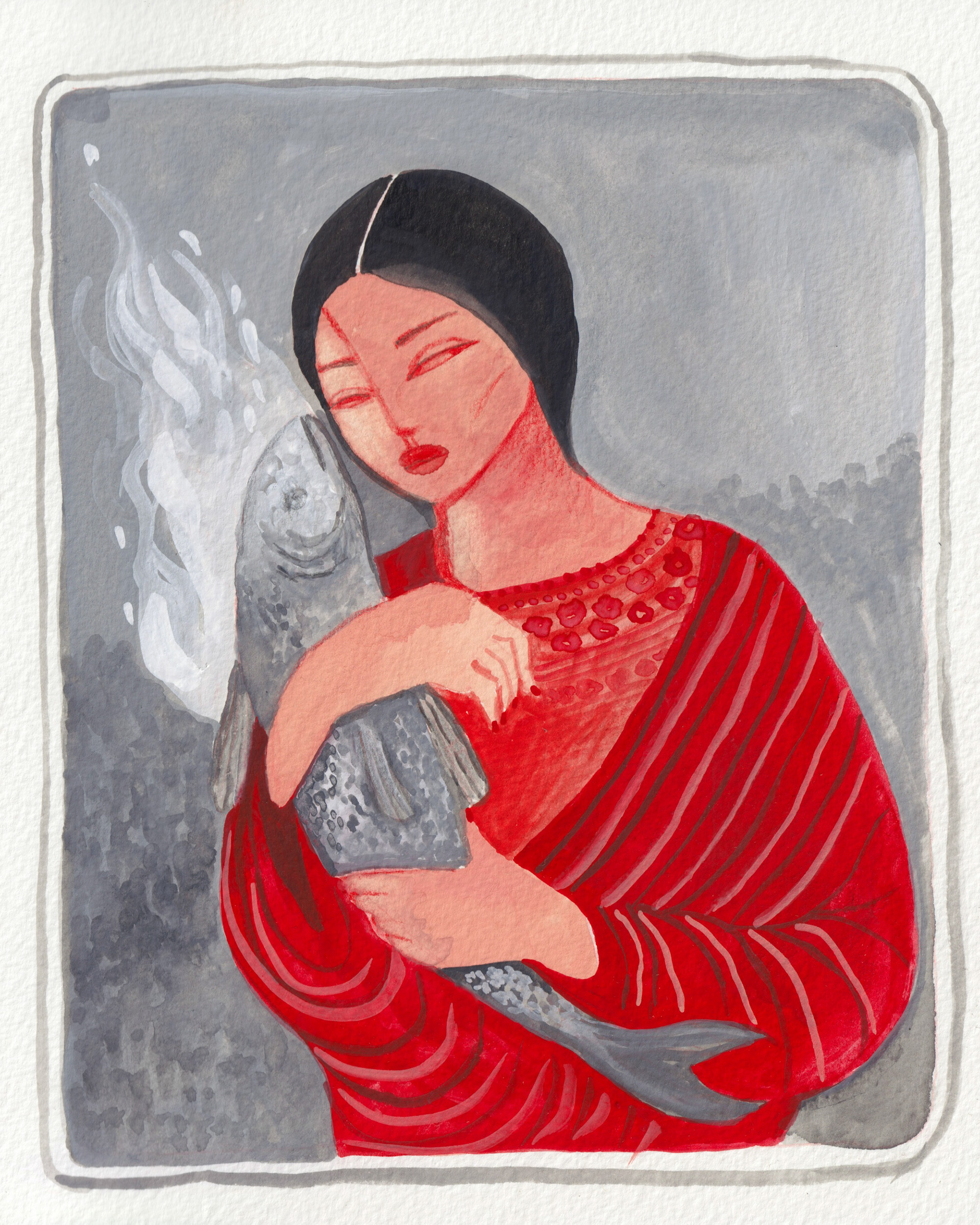
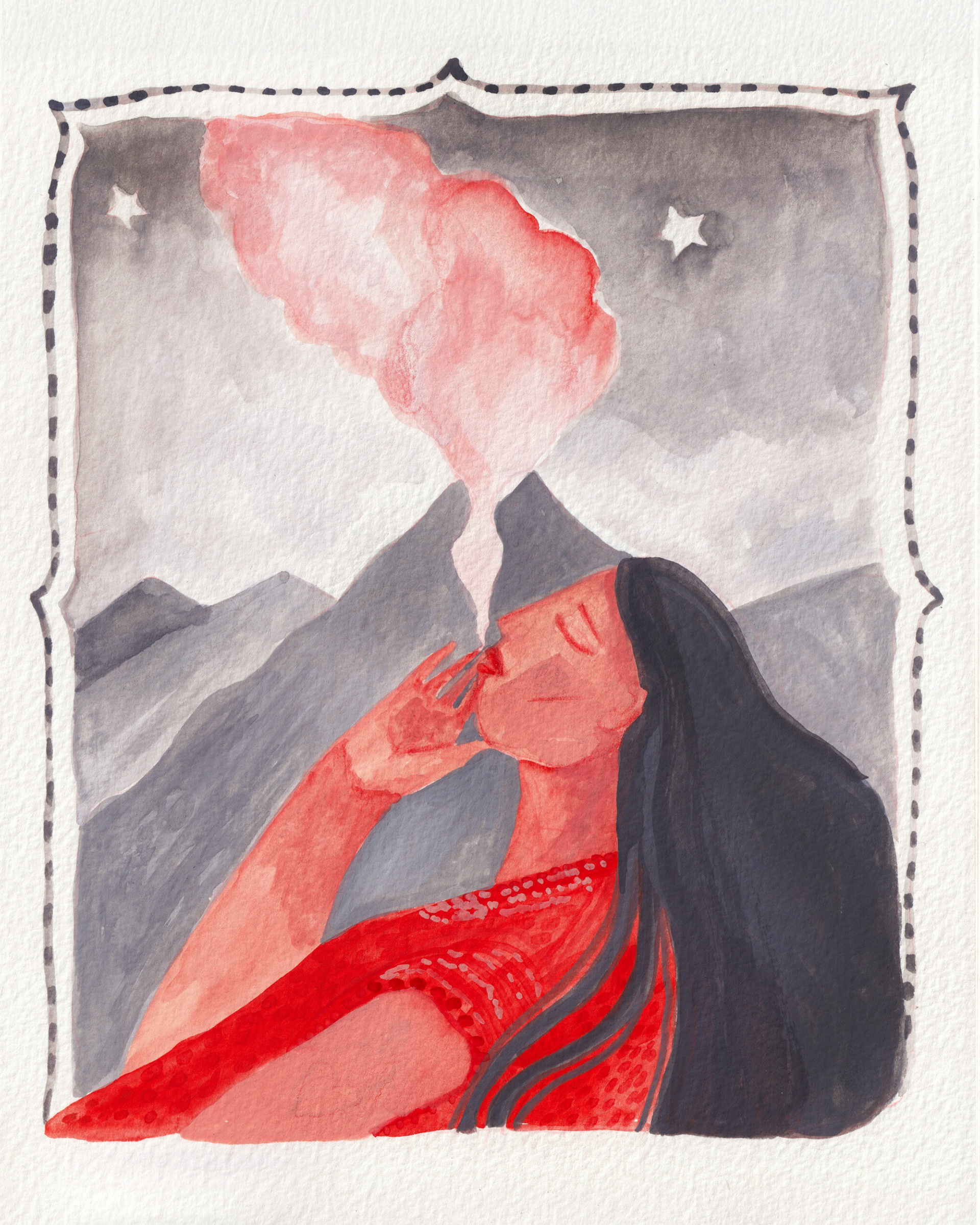
A série constrói uma espécie de folclore híbrido, em que o corpo feminino se torna território de encontro entre o real e o fantástico. As figuras convivem naturalmente com criaturas, animais e fenômenos que parecem nascer de dentro delas ou atravessá-las, transformando sentimentos, desejos, memórias e estados de espírito em presenças físicas. As mulheres não são vítimas do fantástico, mas convivem com suas criaturas, cuidam delas ou as incorporam, estabelecendo uma relação de coexistência entre o humano e o monstruoso.
The series constructs a kind of hybrid folklore, where the female body becomes a site of encounter between the real and the fantastic. The figures naturally coexist with creatures, animals, and phenomena that seem to be born from within them or pass through them, transforming feelings, desires, memories, and states of mind into physical presences. The women are not victims of the fantastic; instead, they coexist with their creatures, care for them, or embody them, establishing a relationship of coexistence between the human and the monstrous.
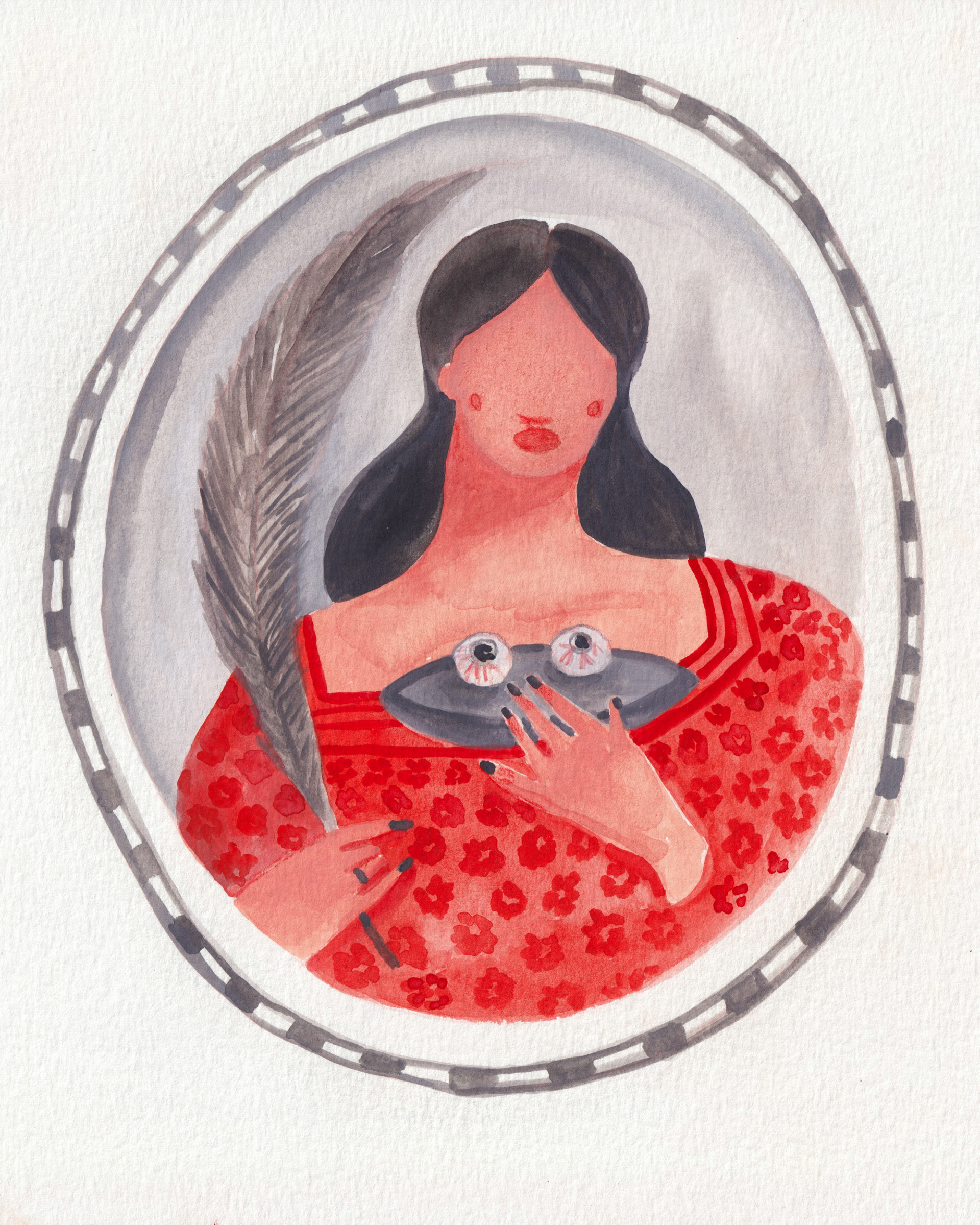
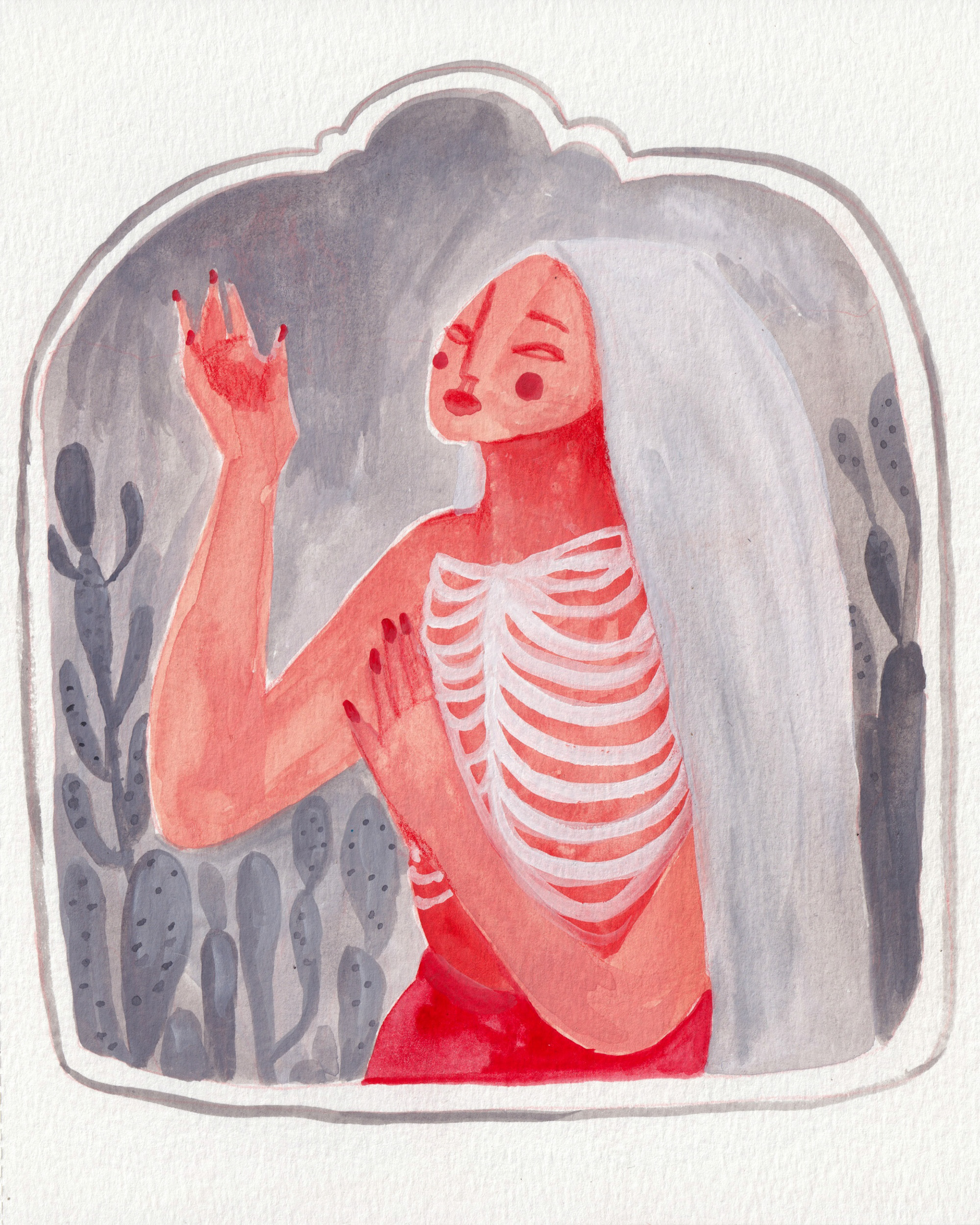
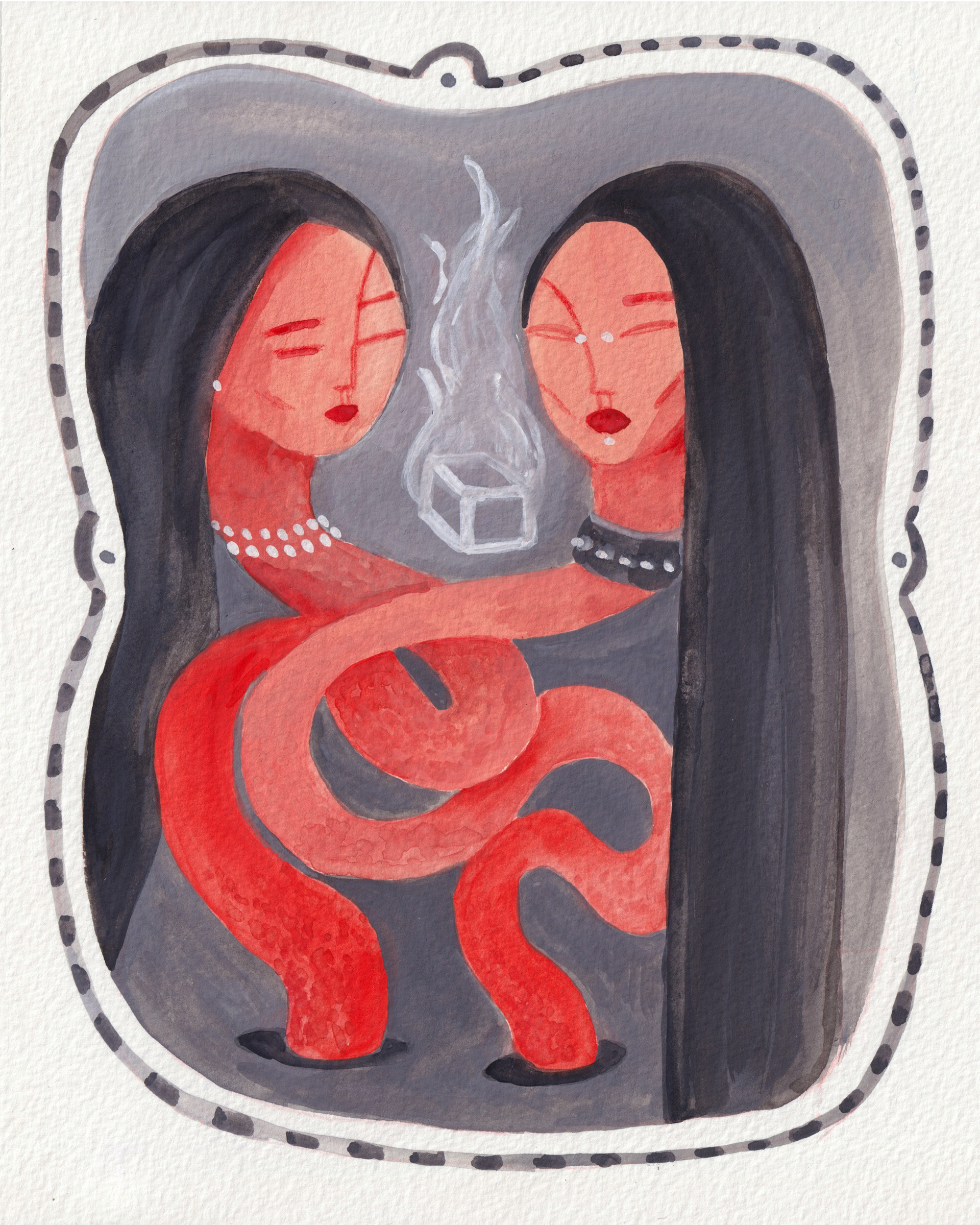
O imaginário dos yōkais japoneses se encontra com a tradição fantástica latino-americana, enquanto molduras inspiradas na arte popular mexicana e na tradição dos ex-votos aproximam as imagens de pequenos relicários ou altares. Elementos de adornos indígenas latino-americanos convivem com acessórios punk, criando personagens suspensas entre tempos, geografias e tradições.
The imagery of Japanese yōkai meets the Latin American fantastic tradition, while frames inspired by Mexican folk art and the ex-voto tradition make the images resemble small reliquaries or altars. Elements of Latin American indigenous adornment coexist with punk accessories, creating characters suspended between times, geographies, and traditions.
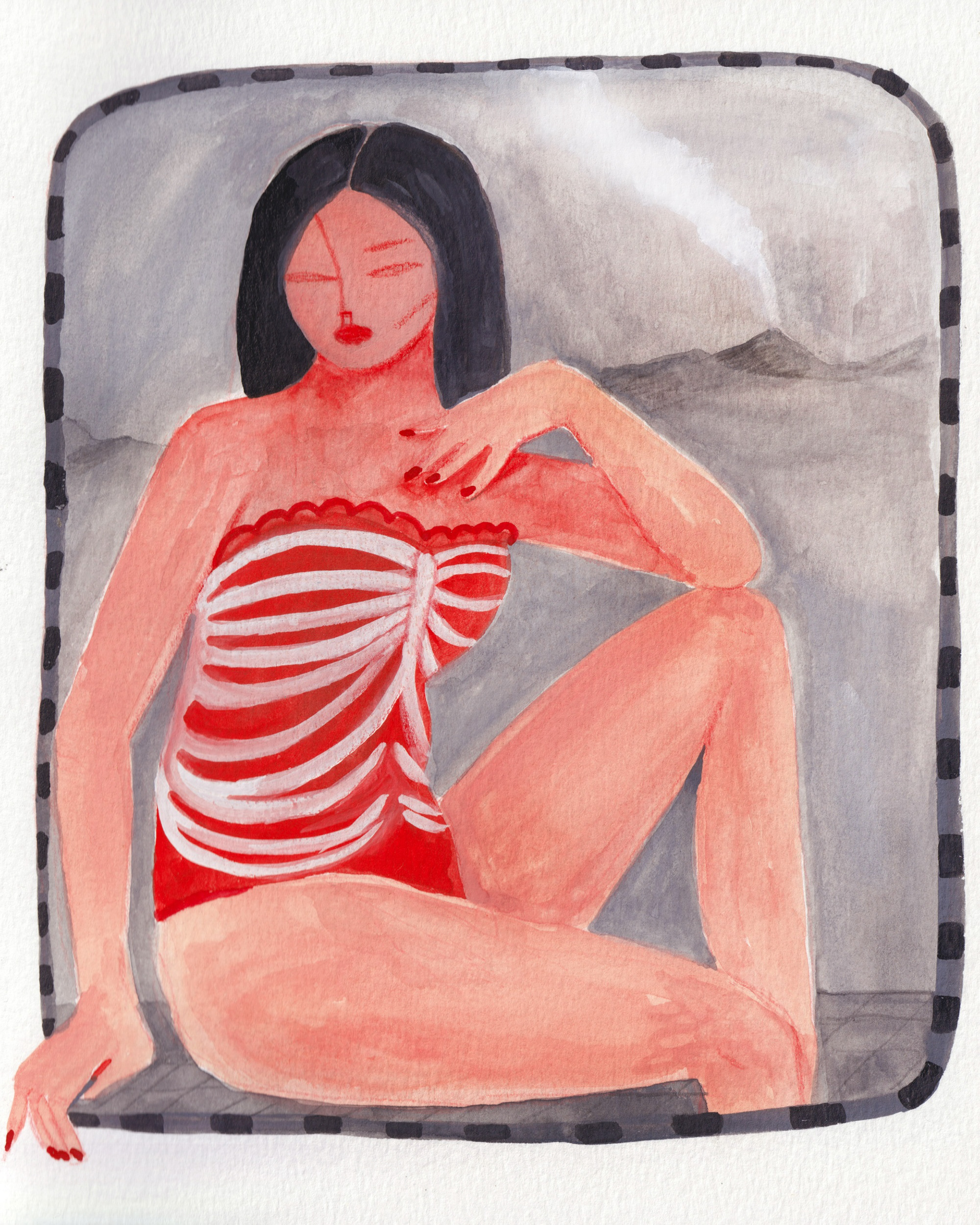
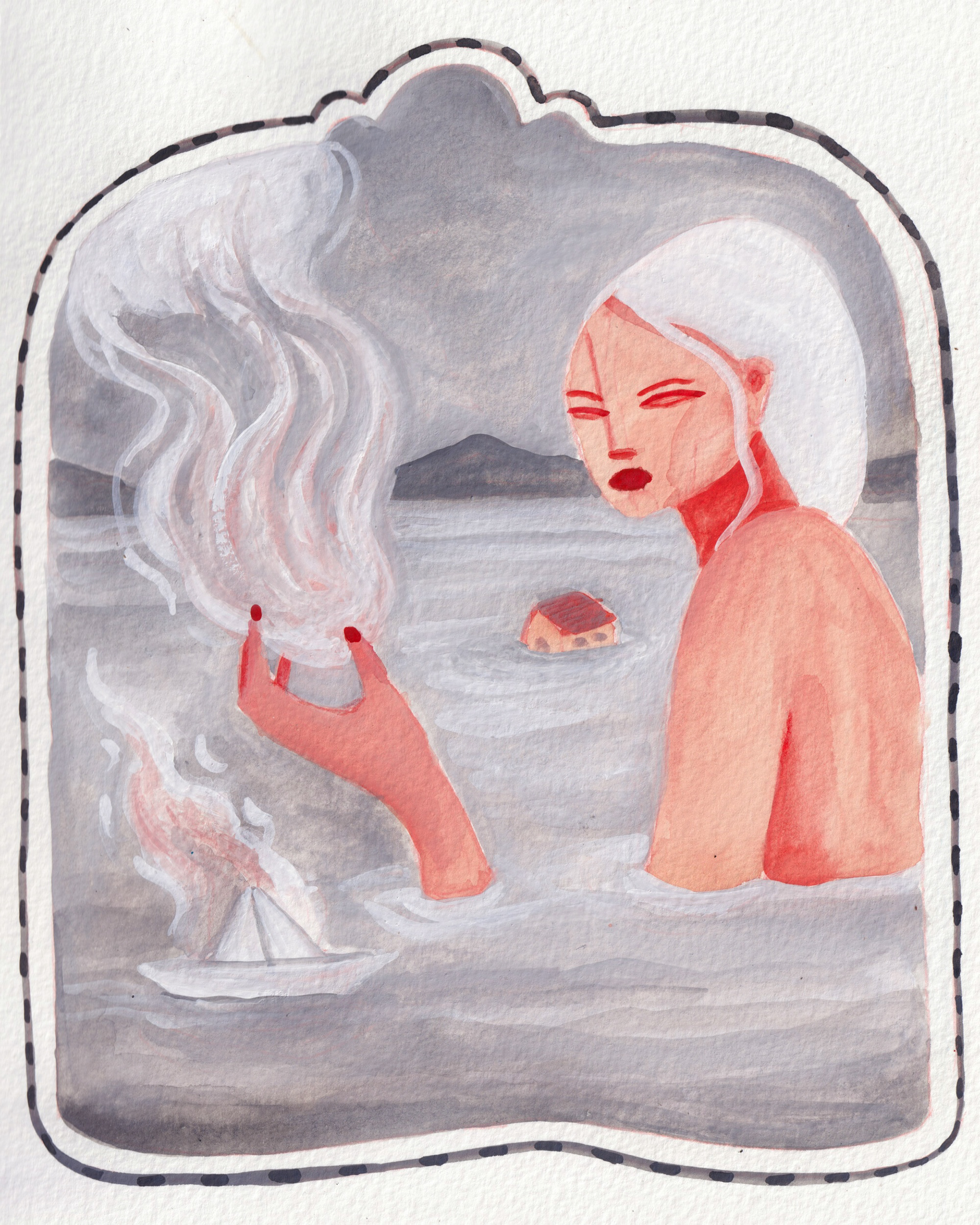
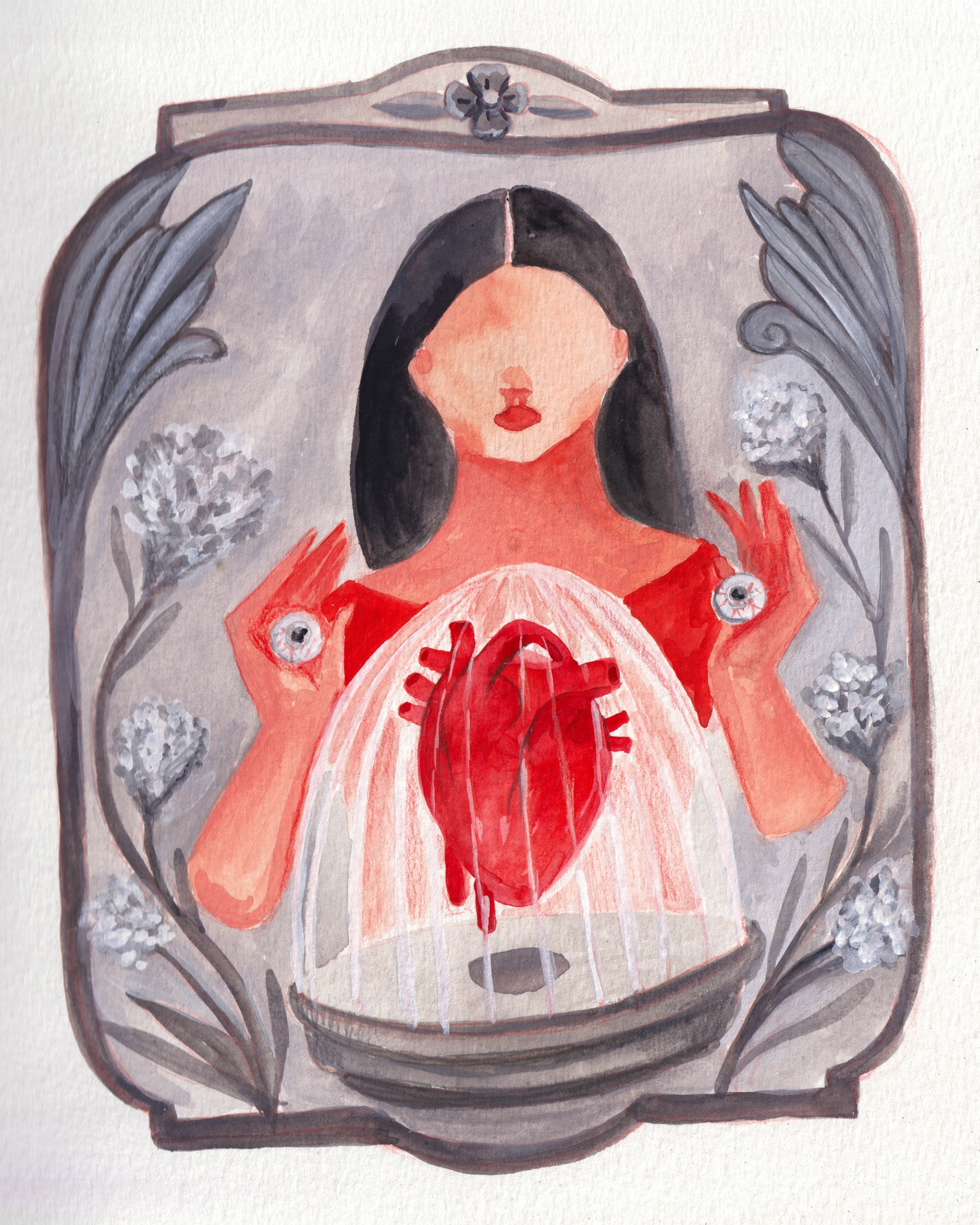
Um yōkai não é simplesmente um monstro. Muitas vezes ele é um estado da natureza, uma emoção, uma obsessão ou uma memória que ganhou corpo. O fantástico latino-americano também costuma funcionar assim: o sobrenatural convive com o cotidiano sem precisar ser explicado.
A yōkai is not simply a monster. Often, it is a state of nature, an emotion, an obsession, or a memory that has taken physical form. The Latin American fantastic also tends to operate this way: the supernatural coexists with the everyday without needing explanation.
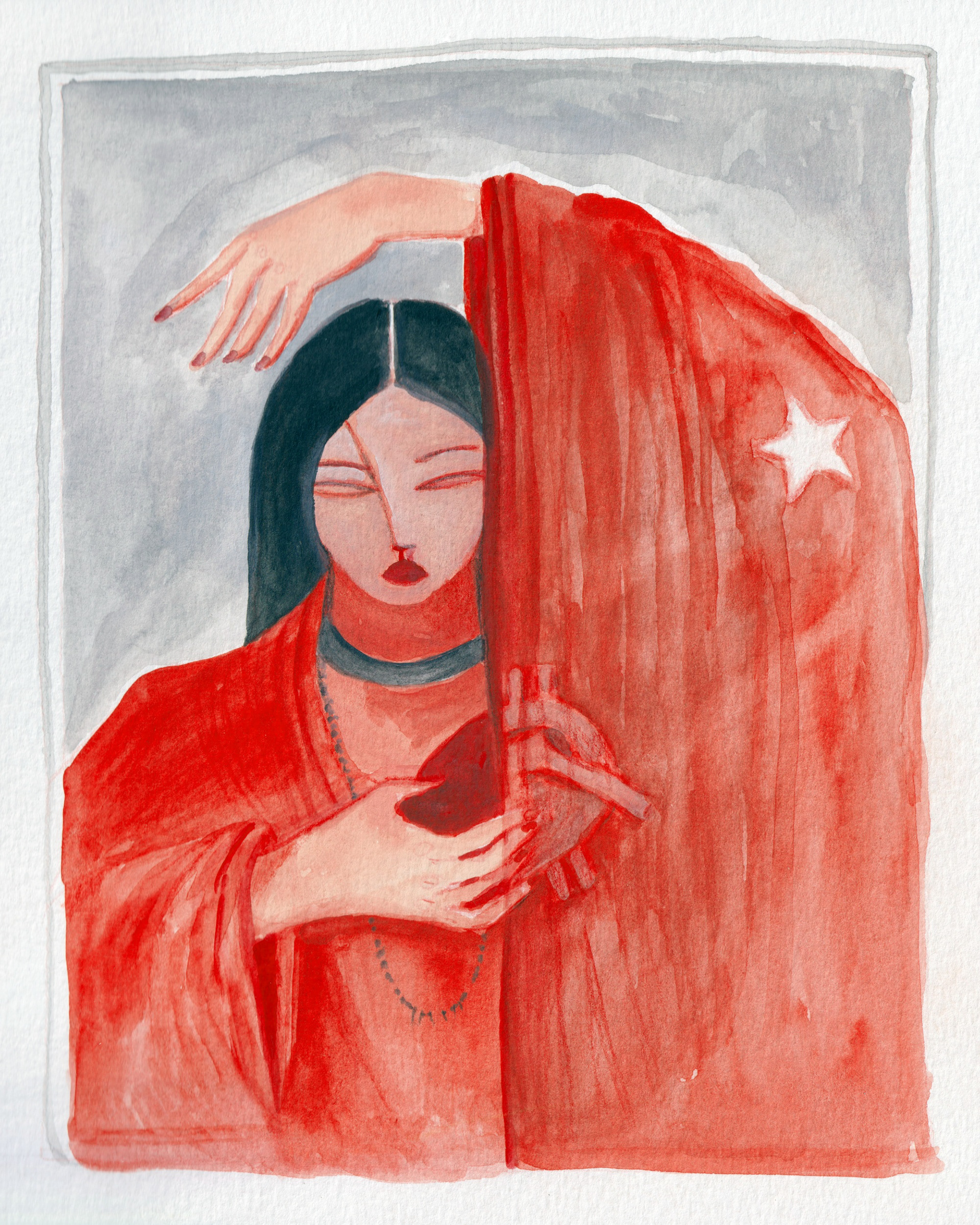
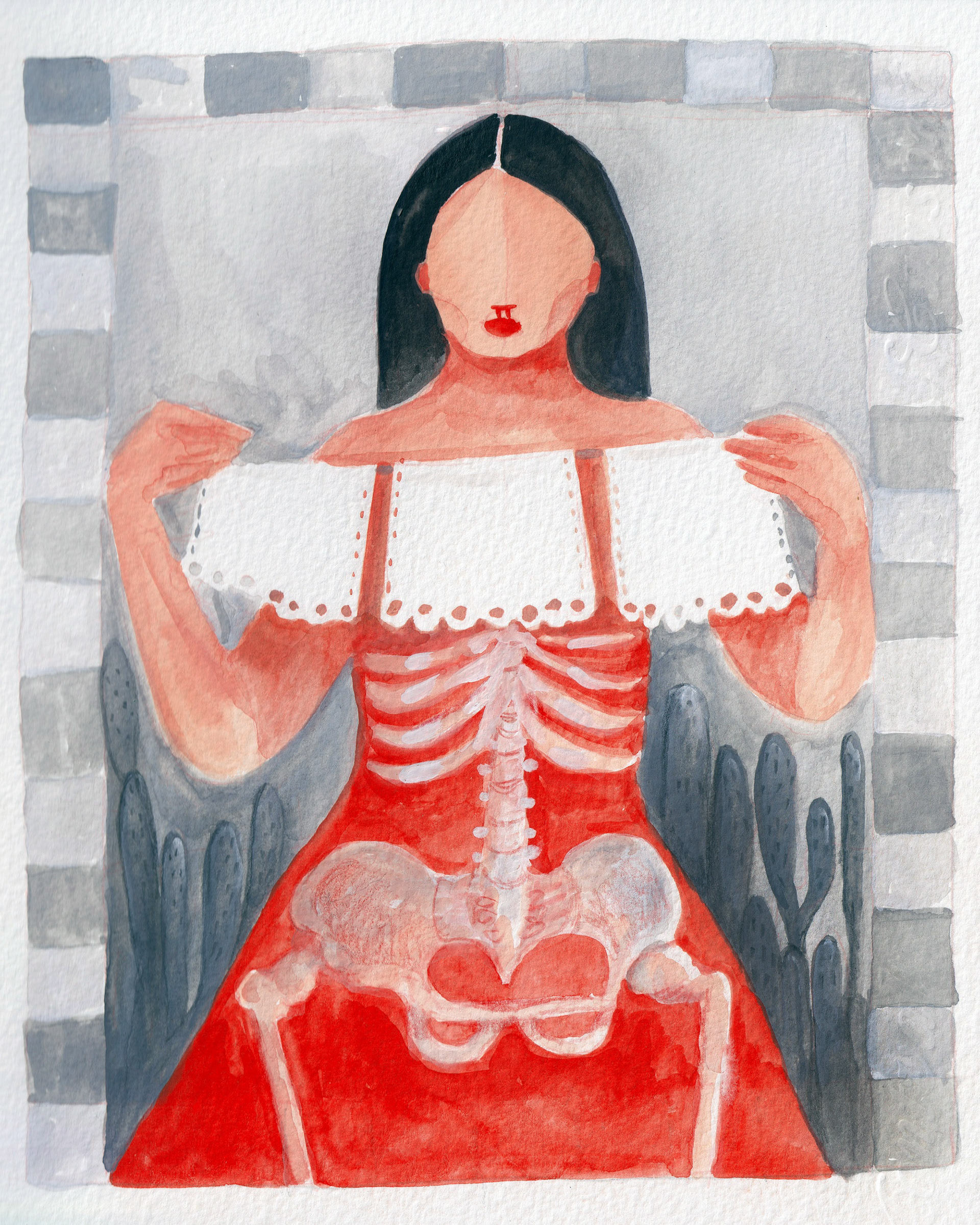
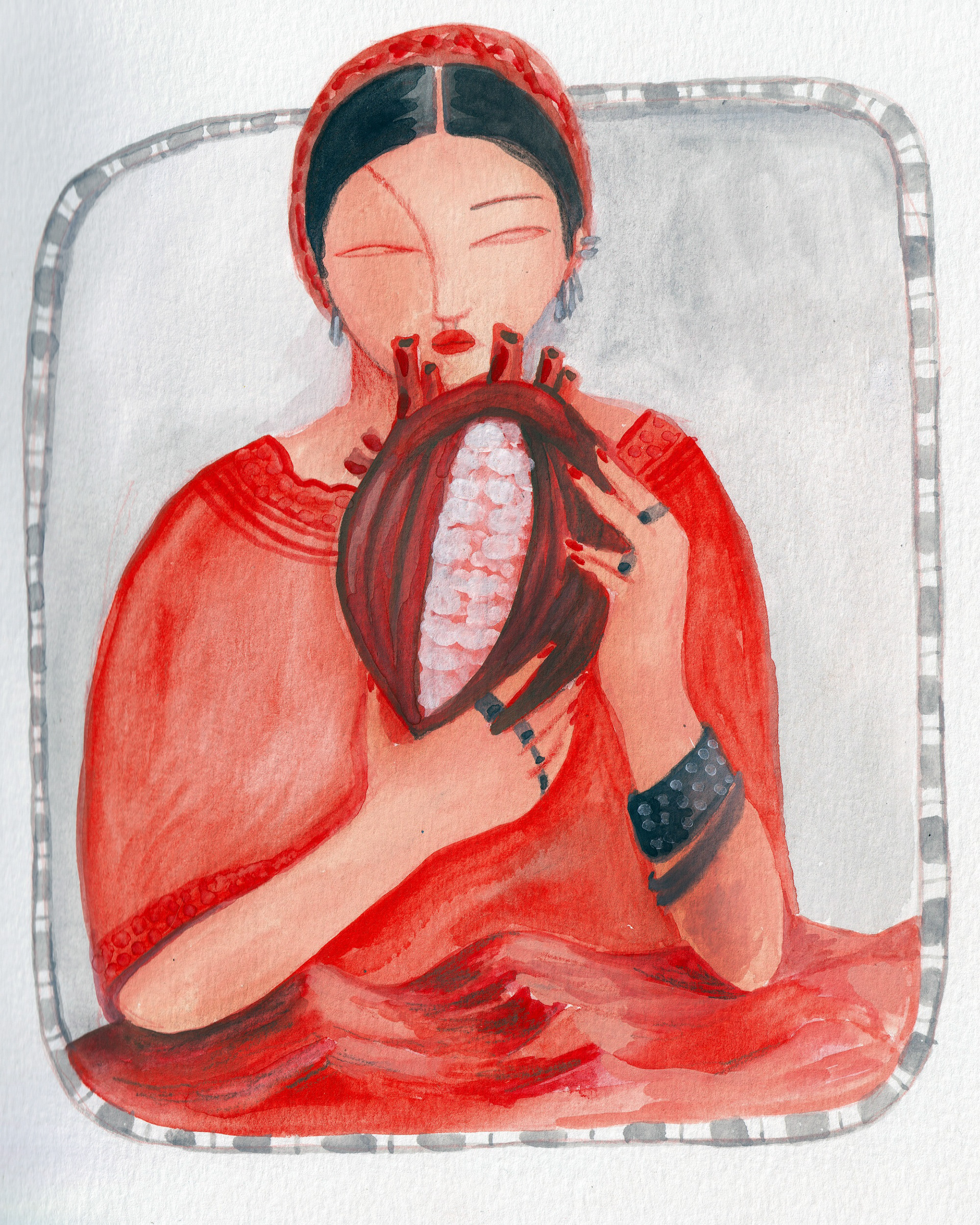
A série também parte de uma reflexão sobre a própria representação da América Latina. Existe um imaginário frequentemente construído de fora para dentro, reduzido a alguns signos reconhecíveis: a mulher latina sensual, a estética caribenha, grafismos do México como síntese de uma suposta identidade continental. Esses elementos fazem parte da América Latina, mas não dão conta de sua pluralidade. Existe muito mais para se explorar. Por isso, a série coloca em convivência referências de diferentes territórios e tradições, dos símbolos mexicanos às referências mapuches, aos ponchos andinos, aos elementos dos pampas, filetes portenhos entre outros. A partir dessa pluralidade, constrói uma imagem da América Latina vista de dentro, múltipla, contraditória e atravessada por diferentes histórias, culturas e imaginários.
The series also stems from a reflection on the very representation of Latin America. There is an imaginary often constructed from the outside in, reduced to a few recognizable signs: the sensual Latina woman, the Caribbean aesthetic, and Mexican graphics acting as a synthesis of a supposed continental identity. While these elements are part of Latin America, they fail to encompass its plurality. There is much more to be explored. For this reason, the series brings references from different territories and traditions into coexistence—from Mexican symbols and Mapuche references to Andean ponchos, elements of the Pampas, and filete porteño, among others. Drawing from this plurality, it constructs an image of Latin America seen from within: multiple, contradictory, and intersected by different histories, cultures, and imaginaries
Todas as imagens estão disponíveis para licenciamento. Consulte através do email evauviedo@aborda.com.br.